
The Rise of Experiential Events: Creating Experiences People Remember
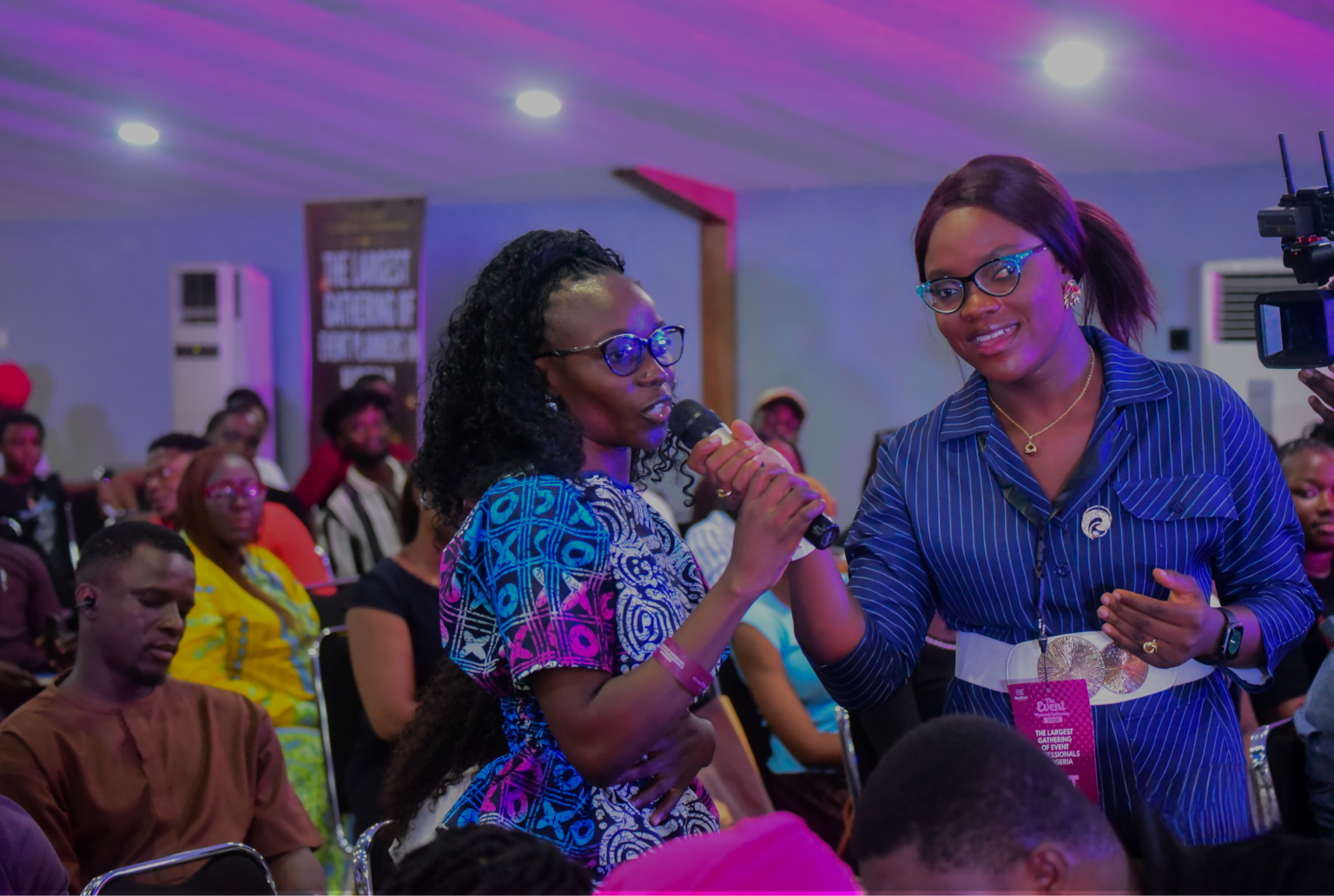
The events industry continues to evolve as audiences look for experiences that are meaningful, engaging and memorable.
A successful event is no longer defined only by the quality of the venue, programme or production. Increasingly, organisers are thinking about how people feel, participate and connect throughout the experience.
This is where experiential events have become increasingly important.
What Is an Experiential Event?
Experiential events are designed around active participation rather than passive attendance.
Instead of simply watching a presentation or listening to a speaker, attendees may be invited to interact with a brand, participate in activities, collaborate with others, explore an environment or contribute to the experience.
The goal is to make the event feel personal and engaging.
Why Experience Matters
People are exposed to information and marketing messages every day.
A well-designed experience can help an event stand out because it gives people something they can actively participate in and remember.
This can be particularly valuable for:
- Corporate events
- Conferences
- Product launches
- Exhibitions
- Brand activations
- Networking events
- Training programmes
- Community gatherings
Start With the Audience
Experiential design should begin with understanding the audience.
Ask:
- Who are we trying to reach?
- What do they need?
- What would make them participate?
- What should they remember?
- What action should they take afterwards?
These questions can help event professionals design experiences that have a clear purpose.
Small Details Can Make a Difference
Creating an experience does not always require an enormous budget.
Simple elements such as interactive discussions, networking activities, demonstrations, personalised communication, creative environments or opportunities for audience participation can make an event feel more engaging.
The most important thing is that the experience supports the purpose of the event.
Technology Has a Role
Technology can also support experiential events through registration systems, event apps, digital content, interactive displays, audience engagement tools and personalised communication.
However, technology should support the experience rather than become the experience itself.
Creating Experiences With Purpose
The strongest experiential events usually connect creativity with a clear objective.
Whether the goal is learning, networking, brand awareness, community building or business development, every part of the experience should contribute to that purpose.
Final Thought
Event professionals have an opportunity to move beyond simply organising events and start thinking more deeply about the experiences they create.
When people feel involved, connected and valued, an event can become more than a date on the calendar. It can become an experience they remember.